The Evolution of the Double-Brokering Crisis
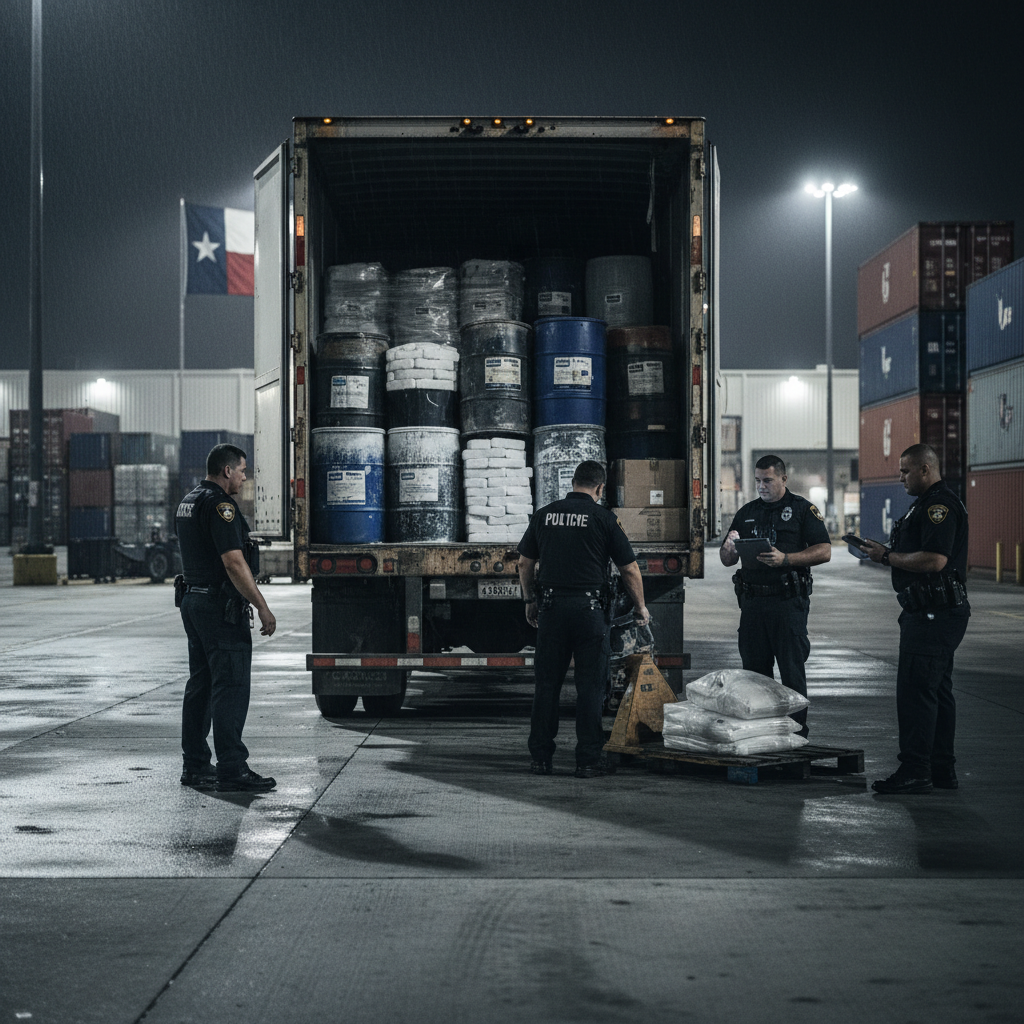
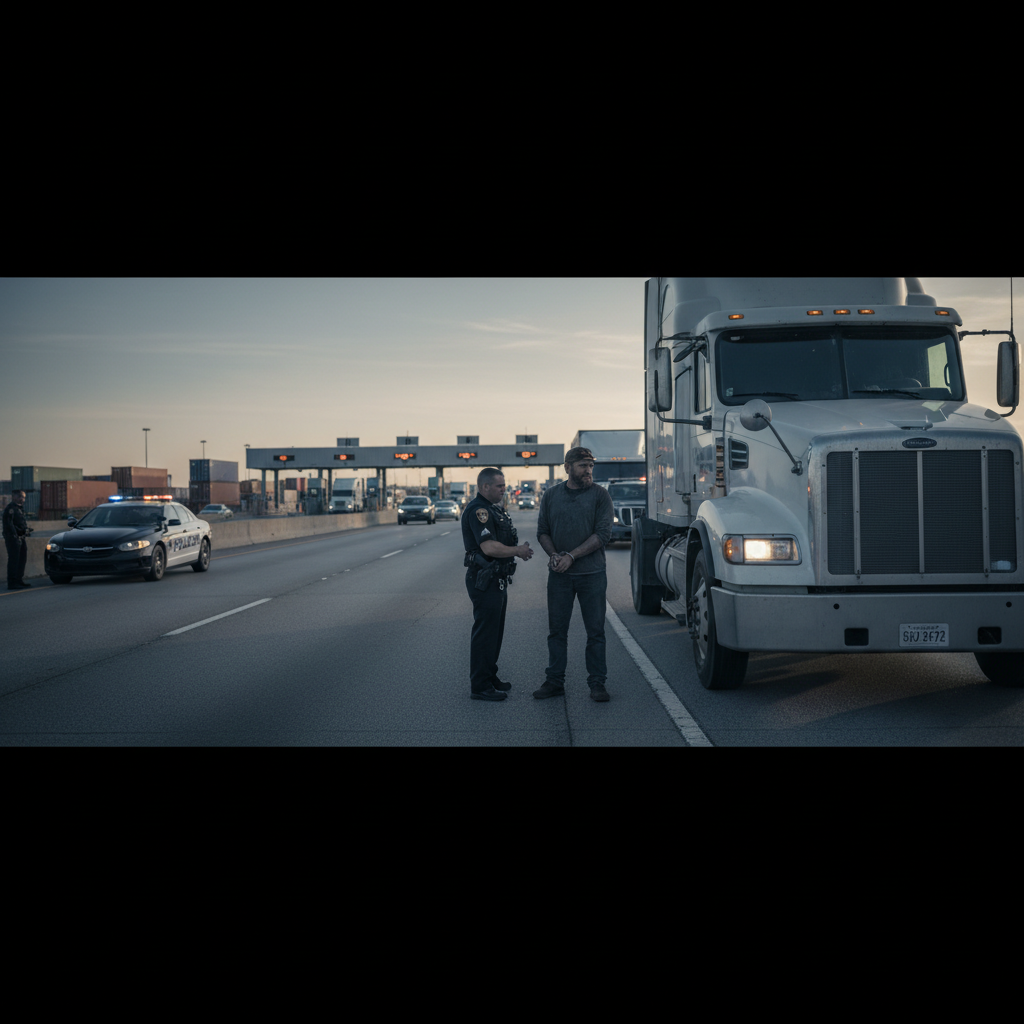
The logistics industry is grappling with a sophisticated surge in identity theft and unauthorized load re-brokering, a trend that continues to drain billions from the global supply chain. Recent federal investigations highlight a shift in tactics: cargo criminals are no longer just hijacking physical trailers; they are hijacking corporate identities to siphon off payments and vanish with high-value freight.
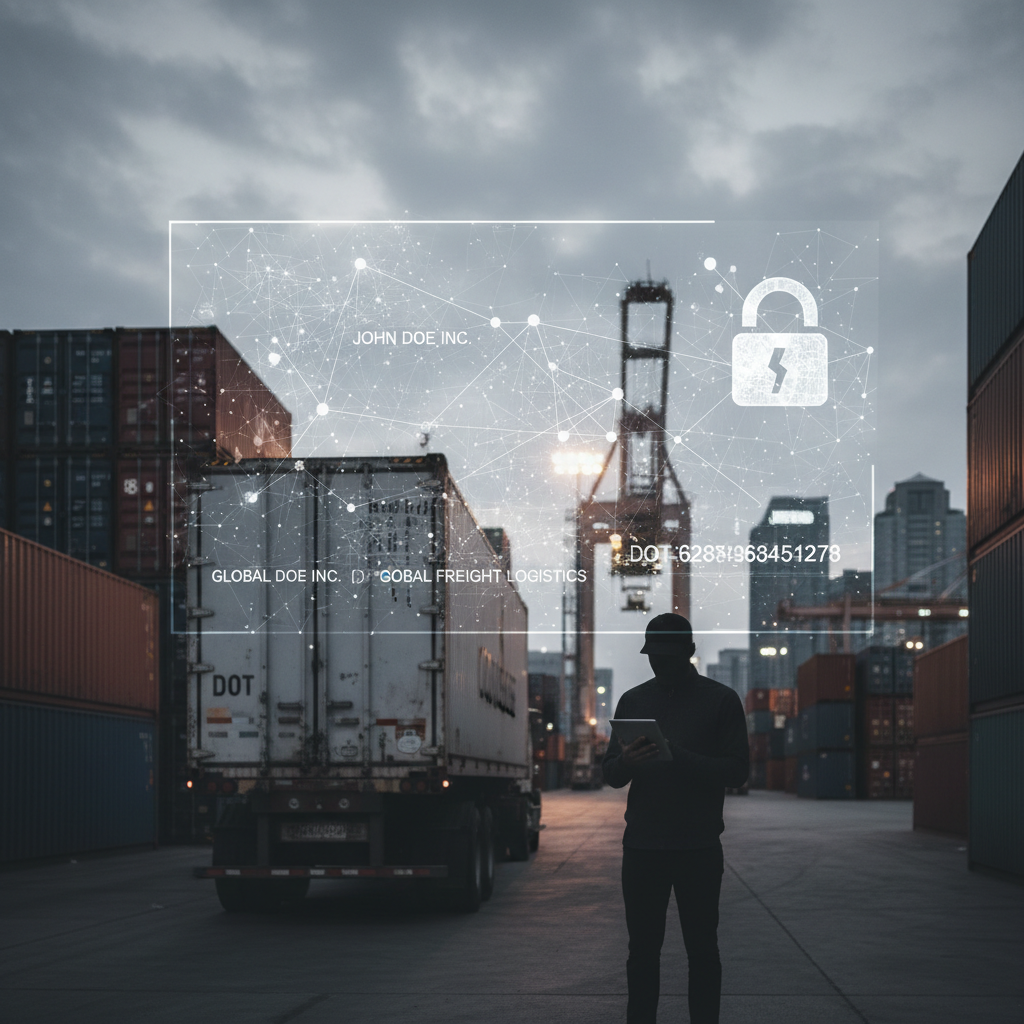
According to reporting from FreightWaves, the industry is seeing a professionalization of these criminal networks. Fraudsters increasingly utilize "ghost" carriers—entities that exist only on paper with stolen DOT numbers—to book loads from unsuspecting brokers. Once the load is secured, it is re-posted to legitimate boards at a higher rate. The criminals then collect the payment from the original broker while leaving the actual carrier unpaid.
The Financial Fallout
The impact of these schemes extends beyond the immediate loss of a single shipment. For the small carrier caught in the middle, the lack of payment can be a business-ending event. For the broker, the liability risks are immense, often leading to costly legal battles over who is responsible for the lost cargo and the unpaid freight bills.
Industry data suggests that cargo theft and fraud increased significantly throughout 2023 and into early 2024. These operations often originate from overseas or organized rings that exploit the speed and anonymity of digital freight matching platforms. When a shipment goes missing, the digital trail often leads to disconnected burner phones and VOIP numbers, leaving traditional law enforcement with little to pursue.
Practical Defensive Strategies
To combat this rising tide of digital displacement, fleets and brokers must move beyond basic due diligence. The standard "safety rating" check is no longer sufficient to verify the legitimacy of a business partner.
Key implications and safeguards for logistics stakeholders include:
- Vetting beyond the FMCSA Portal: Relying solely on the SAFER website is insufficient. Fraudsters routinely purchase aged authorities to appear established. Teams must verify that the physical address matches a legitimate terminal and that contact emails are consistent with the company’s official domain.
- Verification of Phone Records: Shippers and brokers should mandate that carriers use tracking software (MacroPoint, P44) and verify that the driver’s cell phone number matches the documentation provided at the time of the bid.
- Financial Red Flags: Be wary of carriers requesting payment through non-traditional methods or demand "quick pay" options immediately upon pickup. Unusually high bids on low-value lanes or vice versa should trigger an immediate audit of the carrier's history.
- Driver Identification at Pickup: Facilities should require drivers to present a physical CDL and take photos of the truck and trailer decals. Discrepancies between the brokerage carrier name and the door of the truck are the most common sign of an unauthorized re-brokered load.
Structural Challenges in the Freight Market
The underlying issue remains a lack of centralized, real-time verification in a fragmented market. While the FMCSA has faced pressure to implement more rigorous identity authentication for those registering DOT numbers, the pace of regulatory change has lagged behind the agility of the criminal actors.
As long as the "rate-first" mentality dominates procurement, criminals will find cracks in the system. Industry experts suggest that the only way to effectively curb this trend is through a combination of stricter federal oversight and a fundamental shift toward "trusted partner" networks over open-market spot bidding. For now, the burden of defense remains squarely on the shoulders of the individual brokers and shippers tasked with moving goods safely through a compromised digital landscape.