The Anatomy of an Alleged Global Cartel
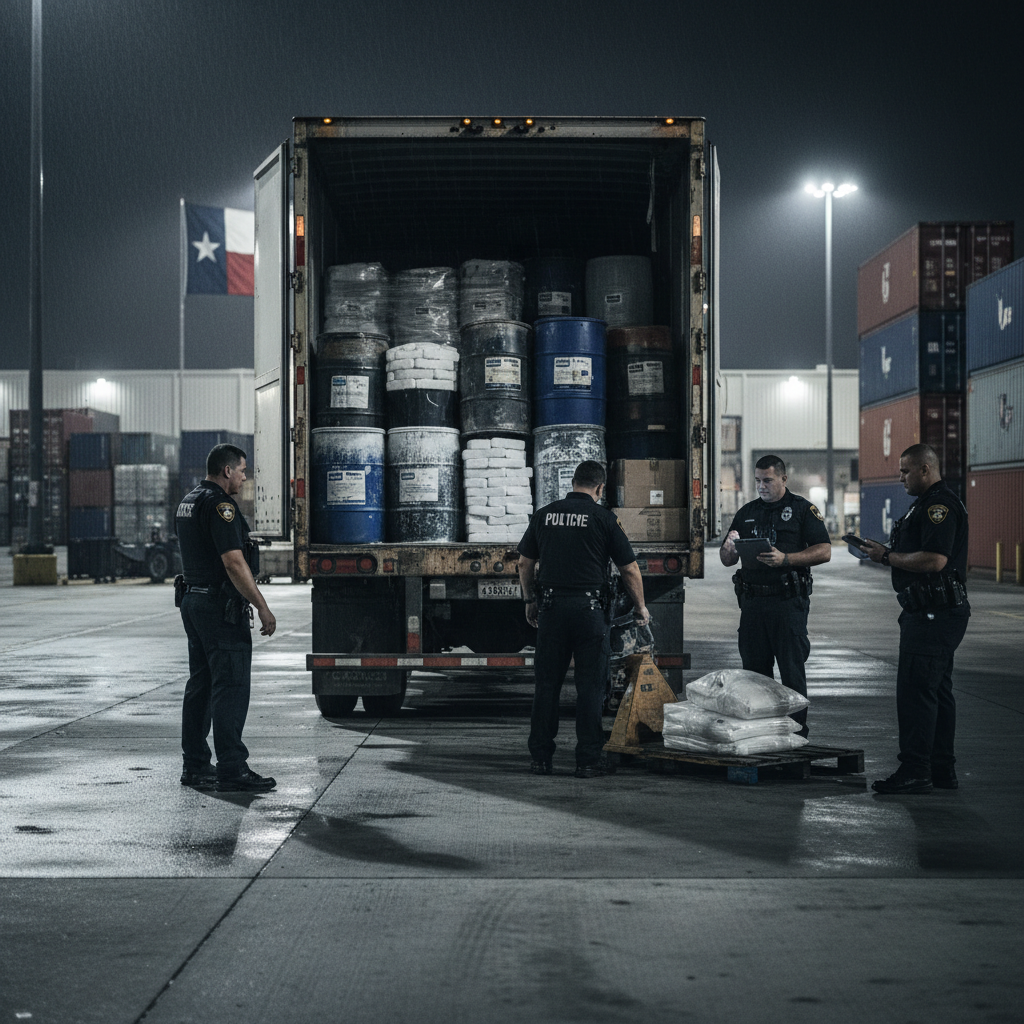
The U.S. Department of Justice has unsealed a criminal indictment targeting the world’s four largest shipping container manufacturers, alleging a sophisticated price-fixing and production-limitation scheme that exacerbated the global supply chain crisis during the COVID-19 pandemic.
According to the indictment filed in January and recently reported by Transport Topics, the group includes China International Marine Containers Co. (CIMC), Dong Fang International Container Co., CXIC Group Containers Co., and Singamas Container Holdings. Prosecutors allege these entities—which control the vast majority of the global market—coordinated to artificially restrict the supply of new unrefrigerated containers from 2019 through at least 2024.
The financial impact of the alleged collusion was staggering. During the height of the pandemic-era import surge, the cost of a new shipping container more than doubled. For U.S. importers and logistics providers, this wasn't merely a price hike; it was a foundational disruption that contributed to record-breaking port congestion and skyrocketing freight rates.
Monitoring Production via Surveillance
The DOJ’s case outlines a timeline of collusion that predated the pandemic’s most severe disruptions. Executives reportedly met in Shenzhen in November 2019 to establish production quotas. To ensure no member of the cartel cheated on the agreement, prosecutors allege the companies discussed installing video surveillance in each other’s factories to monitor production line hours.
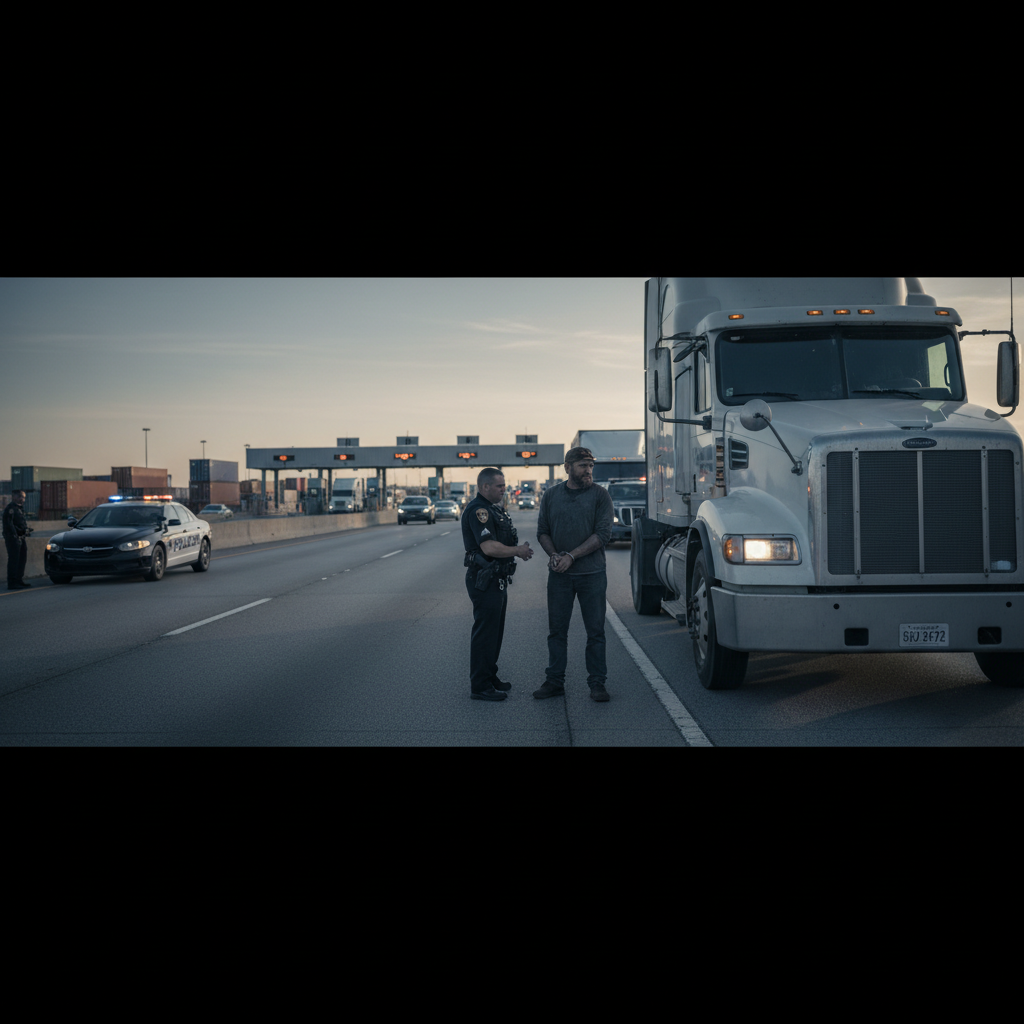
The named defendants include high-ranking industry figures: CIMC’s Boliang Mai, Singamas’ Siong Seng Teo, and CXIC’s Yuqiang Zhang. The scale of the enforcement effort became visible in April when Vick Nam Hing Ma, a Singamas marketing executive, was apprehended in Paris while attempting to fly to Hong Kong.
"The cartel triggered a global shortage of shipping containers, and prices more than doubled between 2019 and 2021," stated Assistant Attorney General Omeed Assefi during the announcement of the charges.
Geopolitical and Market Concentration
The case highlights the extreme concentration of the container manufacturing sector. Research from Drewry indicates that CIMC, Dong Fang, and CXIC effectively dominate the global supply. These entities are largely state-owned or state-controlled, creating a complex layer of diplomatic and legal friction.
This is not the first time the U.S. government has eyed this market for antitrust issues. In 2021, A.P. Moller-Maersk abandoned the sale of its container manufacturing arm to CIMC after the DOJ raised concerns that the merger would consolidate 90% of the refrigerated container market under Chinese state control.
The current indictment suggests that while shippers were struggling with "blanked" sailings and lack of equipment to move essential goods, the manufacturers were allegedly memorializing their conspiracy in written agreements and actively discussing ways to conceal their communications from antitrust regulators.
Strategic Implications for the Freight Industry
For North American fleets, brokers, and shippers, the unsealing of this case provides a post-mortem on one of the most volatile eras in logistics history, but it also carries immediate forward-looking risks:
- Asset Procurement Costs: If the DOJ maintains that price-fixing continued into 2024, fleet owners and ocean carriers may still be paying "cartel premiums" on new equipment orders. Managers should audit equipment procurement costs against historical benchmarks to assess exposure.
- Liability and Recourse: History suggests that DOJ criminal indictments often trigger a wave of civil class-action lawsuits. Large-scale importers and intermodal providers who purchased containers during the 2019–2024 window may have grounds for seeking damages.
- Supply Chain Diversification: The heavy reliance on Chinese manufacturing for the "box" remains a structural vulnerability. Shippers may see increased interest in alternative manufacturing hubs in Vietnam or India as a hedge against future geopolitical or regulatory disruptions in the Chinese market.
- Legal Precedent Hurdles: Despite the criminal charges, securing actual damages from Chinese state-owned entities is notoriously difficult. A previous vitamin C price-fixing case resulted in a $150 million award for U.S. buyers that was ultimately overturned when Chinese manufacturers argued their government’s laws mandated the price-fixing.
As the case proceeds, the logistics industry faces a sobering reminder that the "invisible hand" of the market is sometimes guided by very visible, coordinated efforts. For an industry built on thin margins and precise timing, the revelation that equipment shortages may have been manufactured rather than merely incidental will likely fuel ongoing calls for greater supply chain visibility and container fleet diversification.