Fatal Collision and Arrest on Highway 99
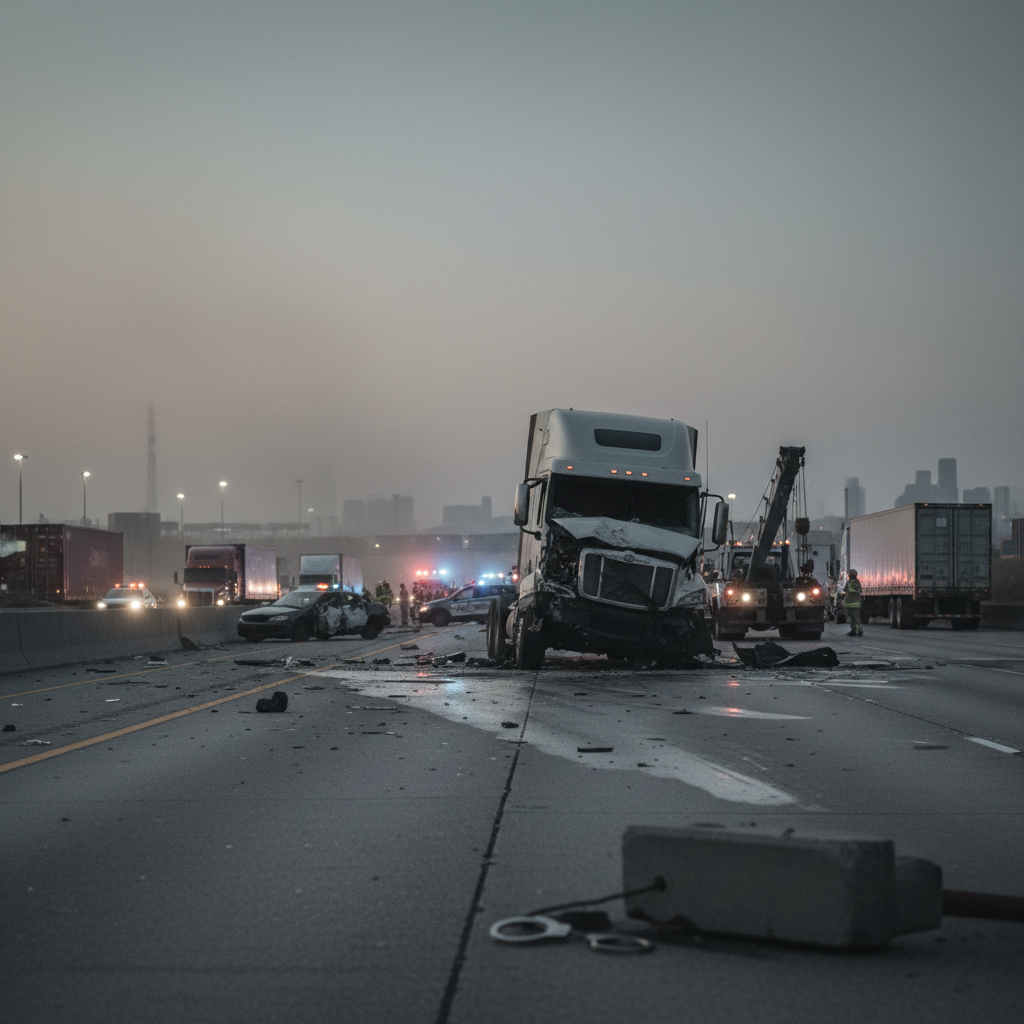
A multi-vehicle collision involving a commercial tractor-trailer on Highway 99 resulted in two fatalities Tuesday, highlighting the severe legal risks faced by motor carriers when drivers flee the scene of an accident. The California Highway Patrol (CHP) responded to the incident at approximately 12:21 p.m. on the northbound lanes near the Harney Lane offramp in Lodi.
According to KCRA, the crash involved the big rig and three additional passenger vehicles. While the specific mechanics of the collision remain under investigation by the CHP, the immediate aftermath has led to significant criminal charges against the commercial driver.
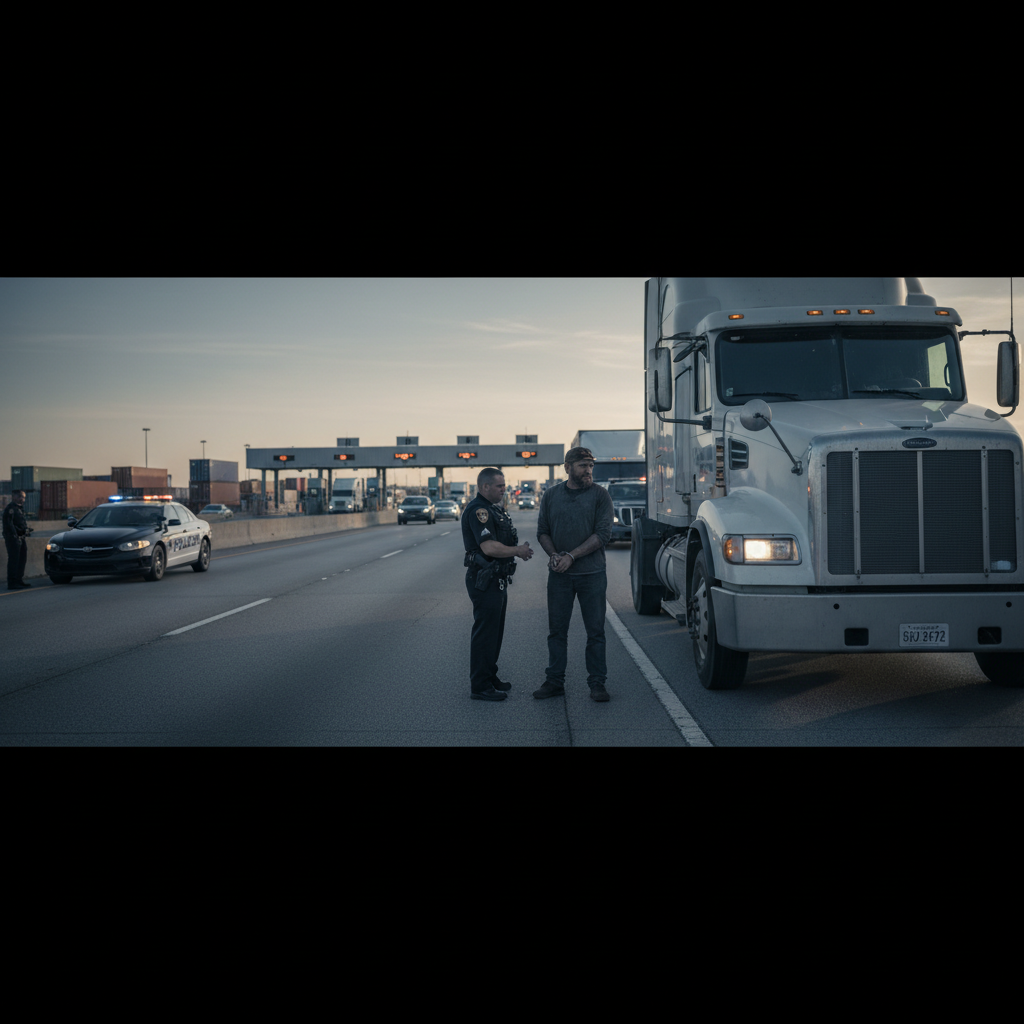
Official jail records identify the driver as Manvir Singh. Authorities allege that Singh attempted to depart the scene on foot following the impact but was subsequently apprehended and detained by law enforcement. Singh currently faces a litany of charges, including vehicular manslaughter with gross negligence, hit-and-run resulting in death or injury, and resisting or obstructing a police officer.
Legal and Regulatory Fallout
For motor carriers, a hit-and-run incident involving a driver represents a "worst-case scenario" for liability and corporate survival. Beyond the immediate criminal proceedings against the driver, the carrier likely faces an intensified investigation into its hiring practices, safety management systems, and driver supervision protocols.
Under the Federal Motor Carrier Safety Regulations (FMCSRs), any conviction for leaving the scene of an accident involving a commercial motor vehicle (CMV) results in a mandatory one-year disqualification of the driver's commercial driver's license (CDL) for a first offense. A second offense leads to a lifetime ban. Furthermore, gross negligence charges often open the door for "nuclear verdicts" in civil court, as plaintiffs’ attorneys argue that the carrier’s culture or lack of oversight contributed to the driver’s decision-making.
Practical Implications for Fleets
This incident serves as a stark reminder for safety directors to reinforce "post-accident" protocols. When a driver leaves the scene of a fatal accident, the carrier loses the ability to manage the narrative, perform required drug and alcohol testing within the regulatory windows, and preserve critical evidence.
Fleets should consider the following preventative and responsive measures:
- Real-Time Dashcam Triggering: Utilize AI-enabled dashcams that immediately alert dispatch of a severe G-force event. This allows safety managers to contact the driver instantly to ensure they remain at the scene and follow legal procedures.
- Post-Accident Training: Regularly train drivers on the "Stay, Secure, and Signal" protocol. Drivers must understand that fleeing an accident elevates a civil liability issue into a permanent criminal felony.
- Background and Behavioral Screening: While many accidents are unavoidable, a history of "resisting" or "evading" in a driver’s pre-employment screening program (PSP) report can be a red flag for future high-stress reactions.
- Immediate Legal Intervention: In the event of a fatality, carriers must deploy an independent "go-team" of investigators and legal counsel to the scene to interface with law enforcement, ensuring the driver's rights are protected while complying with the law.
The Lodi incident remains fluid as investigators determine the sequence of events that led to the four-vehicle pileup. However, the arrest of the driver on manslaughter and hit-and-run charges ensures this case will remain a high-profile oversight matter for the involved carrier and the California trucking community.
"Jail records show that manvir singh is facing several charges, including vehicular manslaughter with gross negligence, resisting police and hit and run." — KCRA News report.