The Port Squeeze is On
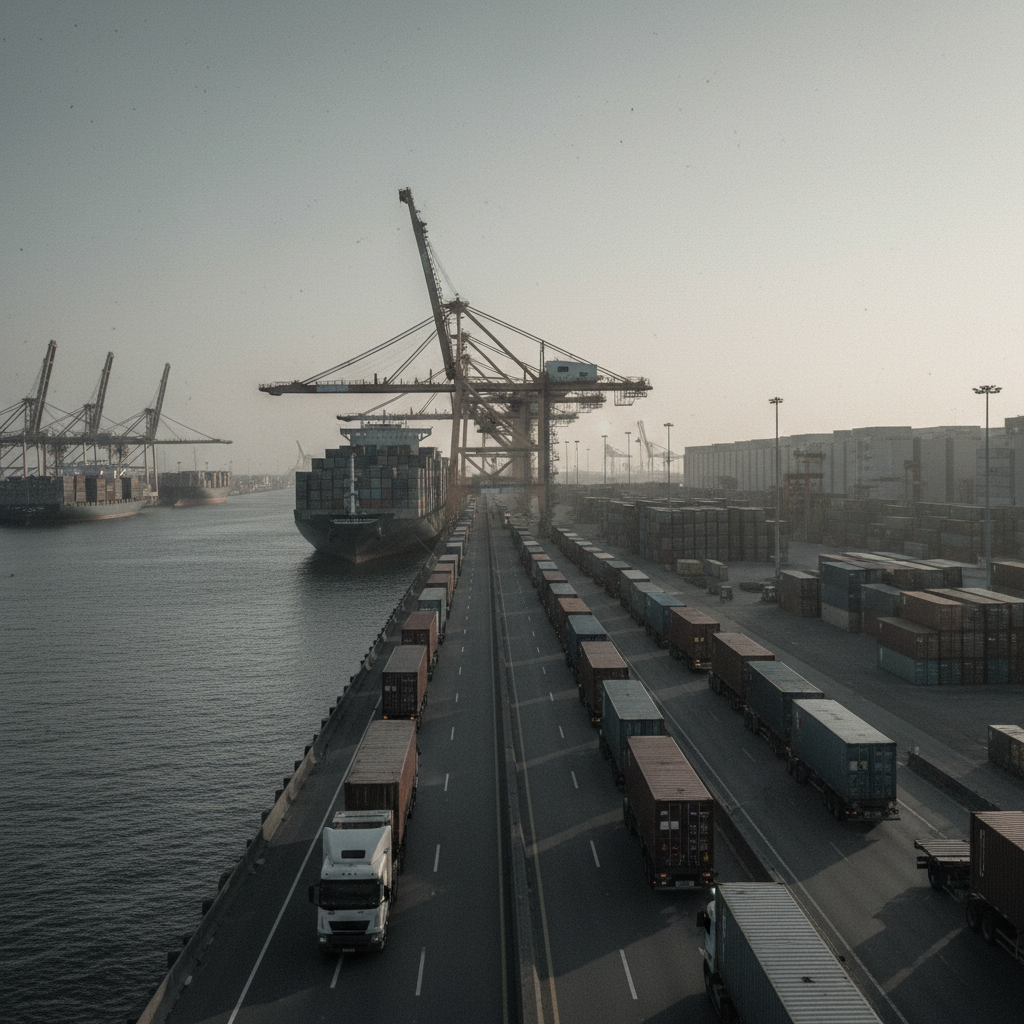
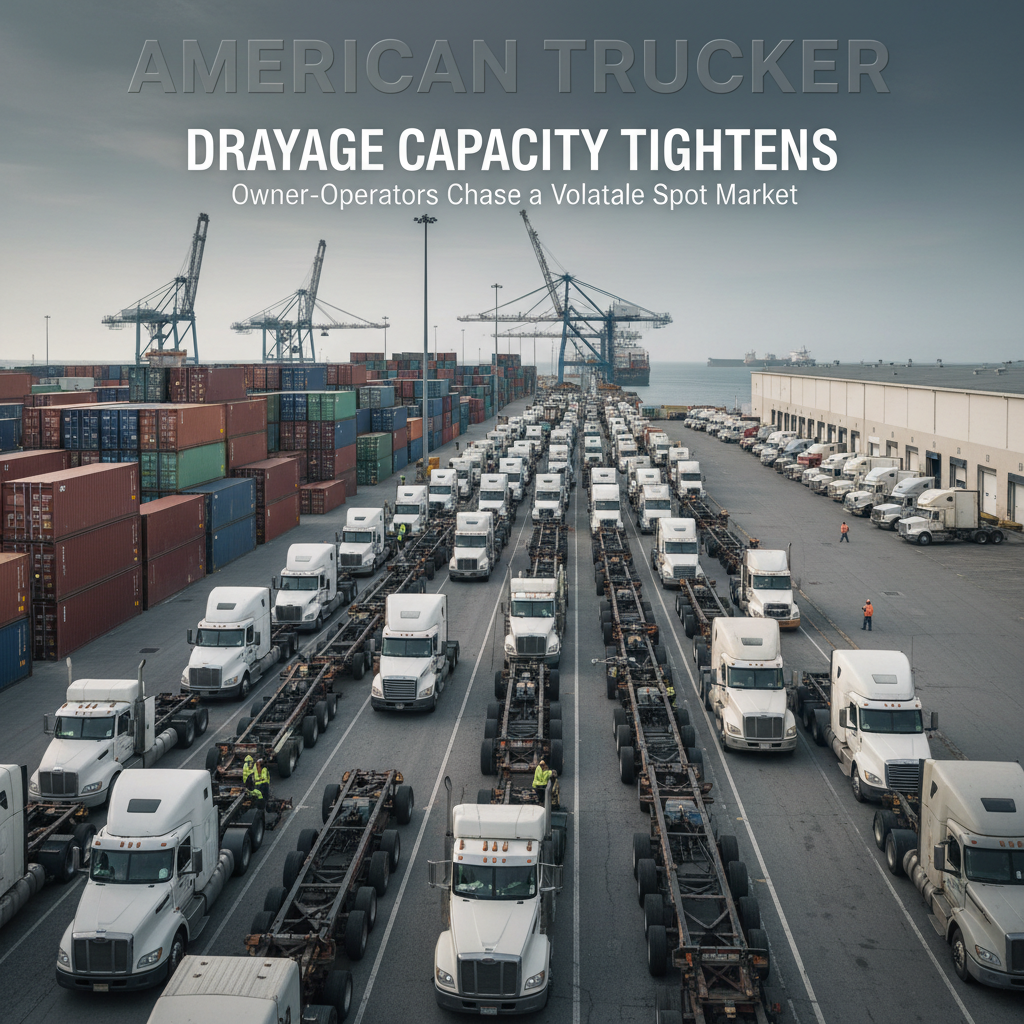
Container volumes at major U.S. ports may be showing signs of normalization, but a critical bottleneck is forming in the crucial first and last mile. Drayage capacity is tightening, not from a lack of freight, but from a drain of drivers. The very owner-operators who form the backbone of port logistics are increasingly opting out of their usual contract loops, tempted by the allure of a volatile but periodically lucrative spot market.
This migration presents a direct threat to port fluidity. As more drivers divert their equipment to chase higher-paying over-the-road loads, drayage carriers are struggling to cover assignments. The result is a looming capacity crunch that could leave containers sitting at terminals, racking up detention and demurrage fees for shippers and disrupting the predictable flow of goods.
The Rational Economics of a Driver's Decision
The shift is not driven by emotion, but by stark economics. Many drayage drivers are owner-operators, small business owners who are acutely sensitive to shifts in revenue and cost. After a period of softening rates through 2023 and early 2024, the recent volatility in the spot market has created significant opportunities for those with the flexibility to pursue them. A single high-paying spot load can sometimes generate more revenue than several days of repetitive, lower-margin drayage work.
This decision is compounded by persistent cost inflation. Sky-high insurance premiums, fluctuating diesel prices, and rising equipment maintenance costs have squeezed owner-operator margins. In this environment, chasing higher top-line revenue on the spot market becomes a rational, and often necessary, business strategy for survival. The traditional drayage carrier model, often built on consistent but modest rates, is finding it difficult to compete for driver attention.
Shippers and BCOs Face Rising Costs and Uncertainty
For beneficial cargo owners (BCOs) and the shippers who manage their freight, this drayage capacity drain translates directly into higher costs and reduced reliability. The immediate impact is felt in rising drayage rates as carriers are forced to pass on the higher costs of securing scarce capacity.
Beyond direct costs, the lack of reliable drayage service jeopardizes carefully planned supply chains. Production schedules can be thrown into disarray if critical imported components are stuck at the port. The inability to move containers off-terminal in a timely manner also triggers costly ancillary fees, eroding budgets and creating logistical friction that ripples throughout the entire supply network.
A New Strategic Imperative for Carriers
For drayage carriers and the brokers who depend on them, the challenge is existential. Driver churn is accelerating, and the ability to guarantee capacity to shipper clients is eroding. This is more than a cyclical rate fluctuation; it points to a deeper structural issue. Navigating this environment requires more a new level of operational sophistication. Leading advisory firms are seeing successful carriers combat this churn by re-evaluating compensation structures and leveraging technology to offer drivers more flexible, profitable routes.
This market requires a shift from reactive dispatching to proactive capacity management. Carriers and brokers must now think like strategic financial planners, analyzing market data to predict shifts and create incentives that make contract drayage competitive against the allure of the spot market. This includes everything from fuel surcharge programs that respond dynamically to market conditions to offering drivers technology that helps them maximize their earning potential within the drayage network.
Building a More Resilient Drayage Strategy
The current capacity squeeze in drayage is not a problem that can be solved with short-term, reactive measures. For carriers seeking to stabilize their driver networks and for brokers aiming to provide more reliable capacity, the path forward involves deep analytical and strategic work. The complex interplay of spot market analytics, regulatory compliance frameworks like California's AB5, and operational efficiency is where specialized guidance becomes critical. Developing these robust strategies is the focus of advisory services offered by firms like OTR Insights (otrinsights.com), helping companies build more resilient and profitable drayage operations for the long term.