Great Dane Shifts to Independent Retail Model
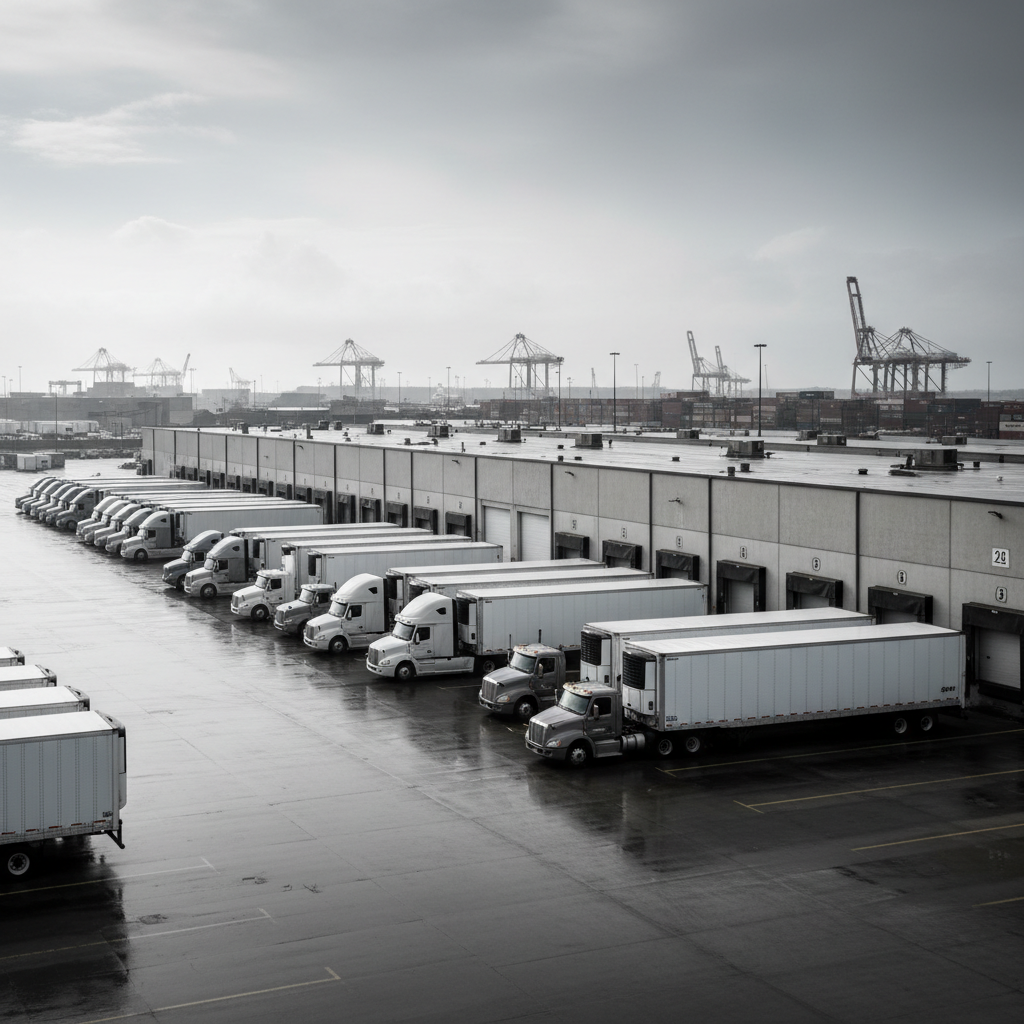
Trailer manufacturing giant Great Dane is undergoing a foundational shift in its distribution network, confirming plans to divest its entire portfolio of company-owned dealerships. As reported by Transport Topics, the Chicago-based manufacturer intends to sell all 19 of its captive retail locations by the end of 2026.
The divestment represents an exit from the direct retail space, transitioning the OEM to what executive vice president of industry affairs and strategic accounts Chris Hammond described as a "two-channel sales strategy." Under this new framework, Great Dane will rely exclusively on independent dealer partnerships rather than corporate-owned storefronts. Performance Brokerage Services has been tasked with managing the sale of the sites.
This strategic pivot coincides with a period of significant leadership and operational volatility for the company. Great Dane is currently operating under interim CEO Mel Cohen following a leadership vacuum created by the announced retirement of President and COO Rick Mullininx, set for late 2026. The search for a permanent chief executive remains ongoing.
Macroeconomic Headwinds and Manufacturing Drawdowns
The decision to liquidate corporate dealerships follows a bruising 18-month period for trailer OEMs. High interest rates, a protracted freight recession, and a surplus of existing equipment have hammered new orders. Data from FTR Transportation Intelligence provided to Transport Topics illustrates the volatility: monthly trailer orders cratered to just 5,780 in May 2025, a fraction of the 24,917 units ordered in January of that same year.
Great Dane has responded to this demand erosion with aggressive cost-cutting measures at the plant level. Between late 2025 and early 2026, the company issued several rounds of layoffs:
- Pennsylvania: 164 workers at the Elysburg facility and approximately 150 at the Danville plant.
- Illinois: 150 employees at the Kewanee manufacturing site.
Beyond market demand, manufacturers are facing heightened regulatory and trade risks. An ongoing antidumping and countervailing duties investigation into van trailers imported from Mexico, Canada, and China has introduced pricing uncertainty. Great Dane, alongside peers like Wabash and Stoughton Trailers, has advocated for these duties to protect domestic pricing power.
Strategic Implications for Fleets
The transition to a "locally driven retail model" suggests a move toward agility, but it poses immediate questions for large-scale fleet buyers accustomed to direct OEM relationships.
- Local Autonomy: Independent dealers typically have more flexibility in localized pricing and service contracts, whereas corporate stores often follow rigid national mandates.
- Service Continuity: The sale of 19 locations to third parties may result in a temporary disruption of maintenance and parts availability as new owners rebrand and restock.
- Asset Lifecycle Management: With manufacturers tightening their belts through layoffs and divestments, fleets may face longer lead times if a sudden demand surge occurs, given the reduced manufacturing headcount.
OTR Insight
The divestment of corporate-owned assets by a major OEM like Great Dane highlights a broader trend: the industry is bracing for prolonged volatility in equipment availability and cost. For motor carriers, this shift underscores the importance of operational efficiency and freight strategy advisory. When OEMs restructure their sales channels and reduce headcount, the ripple effects can disrupt a fleet’s planned equipment cycles and total cost of ownership.
To navigate this, carriers should move away from reactive purchasing and toward multi-year asset strategies that account for shifting dealership landscapes and potential import duties. Diversifying equipment sources and maintaining high utilization of existing trailers will be critical as the retail model becomes more fragmented. OTR Insights serves as a strategic partner in this area, helping fleets optimize their operational footprints and asset strategies amidst shifting market dynamics. Our advisors provide the data-driven clarity needed to stay ahead of equipment cycles and manufacturing shifts. Learn more about how we support resilient fleet operations at www.otrinsights.com.