Regulatory Summary and Findings
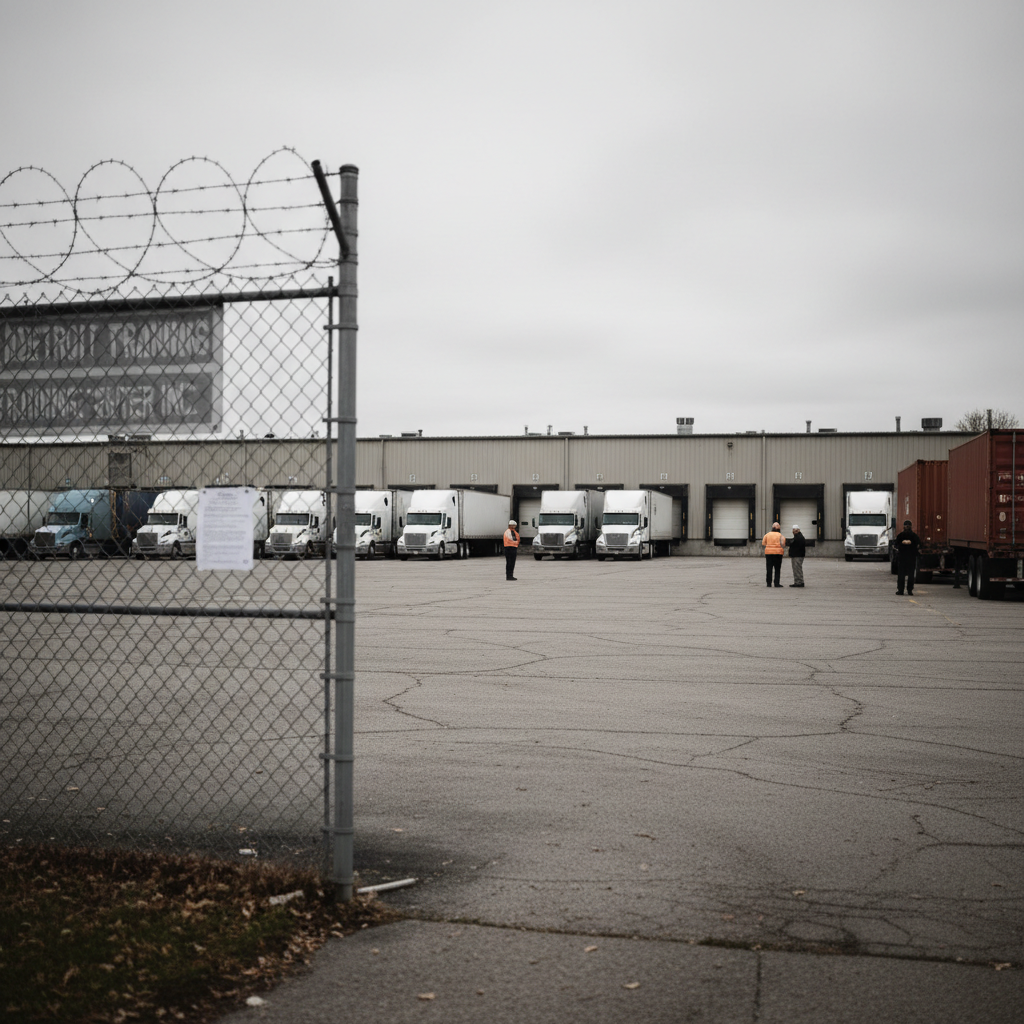
The Michigan Department of State (MDOS) has issued a summary suspension to Detroit Training Center Inc., effectively halting all commercial driver’s license (CDL) instruction at the facility. According to reporting from Commercial Carrier Journal (CCJ), the enforcement action follows an investigation into alleged violations of the Driver Education Provider and Instructor Act (DEPIA), the state regulatory framework governing driver education.
State officials allege that the school systematically shortchanged students on instruction time, charging for training hours that were never delivered. This practice not only resulted in financial loss for the trainees but also created federal compliance gaps. By failing to provide the hours promised in student contracts, the school allegedly prevented drivers from meeting the mandatory curriculum requirements of the Federal Motor Carrier Safety Administration’s (FMCSA) Entry-Level Driver Training (ELDT) standards.
The MDOS Driver Education Unit’s investigation, which began on May 14 at the school’s Loraine Street location, uncovered a series of administrative failures beyond the missing instruction hours. State inspectors found that the school permitted students to initial or sign training documents containing blank fields, which the school then filled in at a later time.
Beyond Instruction: Administrative Failures
The suspension highlights a lack of institutional control at the Detroit-based provider. MDOS investigators documented several key administrative violations, including:
- Contractual Integrity: The school failed to maintain written agreements with students prior to beginning instruction. Furthermore, individuals without legal authorization or designated status within the company were reportedly allowed to sign student contracts.
- Recordkeeping Compliance: Investigators found that the school failed to maintain required student records at its established office location, in direct violation of state law.
- Instructional Halts: Under the terms of the summary suspension, Detroit Training Center is prohibited from conducting any classes or providing driver education until the investigation is resolved.
The ELDT mandate, which went into effect in 2022, was designed to standardize training across the United States to ensure new drivers possess a baseline of safety knowledge and behind-the-wheel proficiency. When providers circumvent these hours, it introduces potential liability for the carriers that eventually hire these under-trained drivers.
Industry Implications for Carriers
For motor carriers, the suspension of a regional training provider serves as a reminder of the "garbage in, garbage out" risk in driver recruitment. In the current regulatory environment, the FMCSA’s Training Provider Registry (TPR) is the primary tool for verification, but as the Michigan case demonstrates, being listed on the registry does not always guarantee that the training hours reported were actually performed.
Fleets and safety managers should consider the following operational impacts:
- Onboarding Diligence: Carriers hiring recent graduates from the Detroit area may need to conduct supplementary skills assessments to ensure drivers possess the proficiencies their certificates claim.
- Audit Vulnerability: If a driver is involved in a major accident and it is discovered their CDL foundation was built on fraudulent training hours, the hiring carrier could face heightened scrutiny during a compliance review or in civil litigation.
- Procurement Standards: Safety departments should move beyond simply checking for a CDL and begin vetting the reputation and historical compliance of the schools providing their labor pool.
OTR Insight
The suspension of a CDL provider for falsifying training hours underscores a critical vulnerability in the carrier onboarding process. In an era of heightened nuclear verdicts, a carrier's liability often begins before the driver ever completes an employment application. If your fleet unknowingly hires drivers from "CDL mills" or non-compliant schools, you are assuming significant risk that the FMCSA or a plaintiff’s attorney will eventually exploit. Managing this risk requires a rigorous carrier compliance and vetting strategy that looks deeper than a valid license.
Carriers must implement secondary skills testing and verify the legitimacy of training providers in their primary recruiting lanes. Proactive vetting ensures that your safety scores and insurance premiums aren't compromised by a third party’s shortcuts. OTR Insights specializes in helping fleets bridge these compliance gaps by refining onboarding protocols and vetting workflows to protect your authority. To learn how to strengthen your driver qualification files and mitigate specialized recruitment risks, visit us at www.otrinsights.com.