Energy Markets React to Middle East Volatility
Energy markets shifted significantly on May 21, as crude oil prices climbed amid escalating tensions surrounding the conflict with Iran. Brent crude, the global benchmark for oil pricing, rose 1.7% to settle at $106.81 per barrel. This price action follows a period of volatile trading fueled by the continued closure of the Strait of Hormuz, a critical chokepoint for global oil distribution.
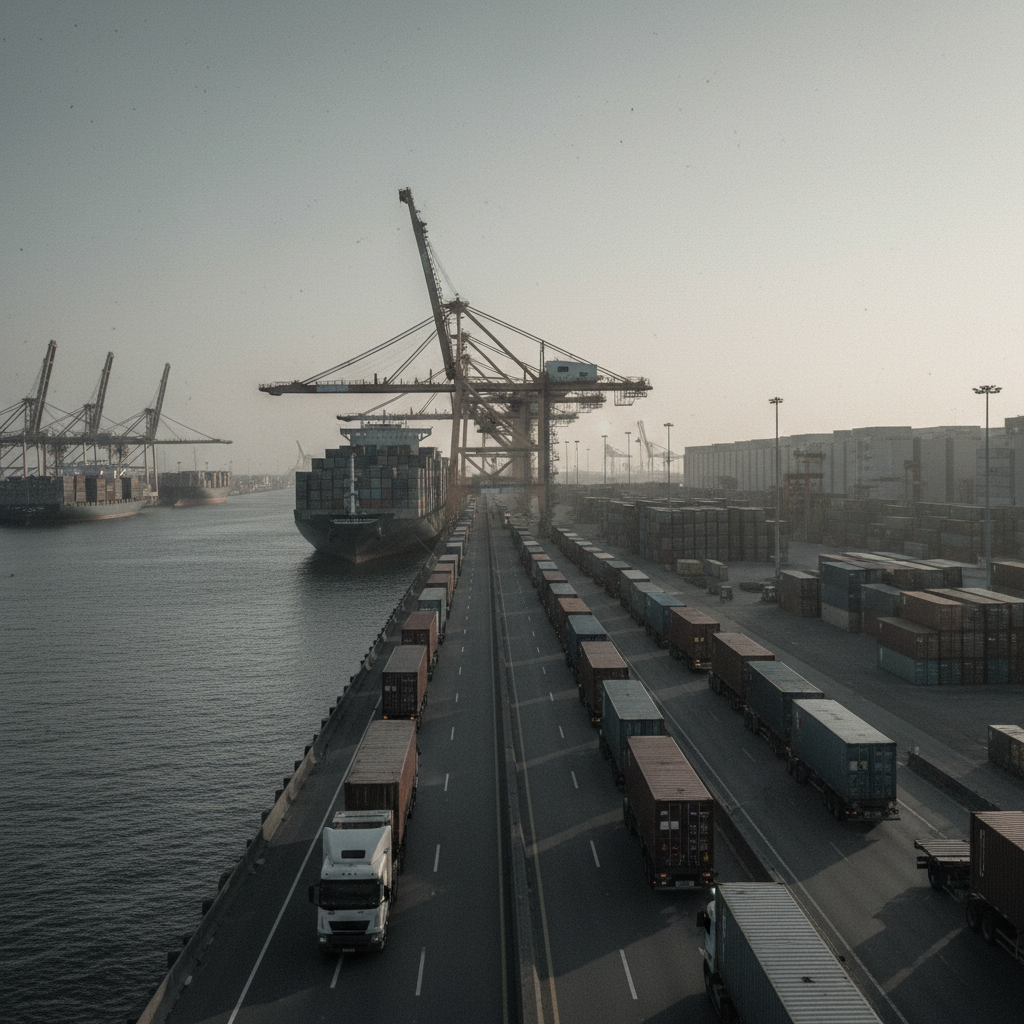
The closure of the waterway has effectively trapped oil tankers within the Persian Gulf, preventing the transit of crude to international markets. According to reporting from Transport Topics, this logistics bottleneck is the primary driver behind the recent price rebound, reversing early-week losses. The instability in the Middle East is now casting a long shadow over the broader U.S. economy, impacting everything from treasury yields to equity markets.
Economic Ripple Effects
The surge in energy costs has triggered a sell-off on Wall Street. The S&P 500 slipped 0.3%, marking its fourth decline in five trading days. Even as technology heavyweights like Nvidia reported earnings that exceeded analyst expectations, the pressure from rising oil prices and high interest rates weighed down major indices. The Dow Jones Industrial Average fell 0.2%, and the Nasdaq composite dropped 0.4%.
Of particular concern to the transportation sector is the rise in the 10-year Treasury yield, which climbed to 4.61%. Higher yields generally correlate with increased borrowing costs for equipment and infrastructure. S&P Global’s preliminary business surveys suggest that the economic fallout from the war is becoming more tangible. Chris Williamson, chief business economist at S&P Global Market Intelligence, noted that the damaging impact of the Middle East conflict is increasingly evident in recent business data.
Inflationary Pressures and Labor Dynamics
Beyond the immediate cost of fuel, the broader inflationary environment is showing signs of worsening. While manufacturing activity has shown some resilience, service-sector growth appears to be slowing. Simultaneously, the U.S. labor market remains unexpectedly tight; applications for unemployment benefits recently declined, suggesting that layoffs remain low despite wider economic uncertainty.
For motor carriers and logistics providers, the combination of rising fuel prices and persistent labor costs presents a dual challenge. The volatility of the "energy-inflation-interest rate" loop is forcing companies to reconsider their capital planning. As noted in the Transport Topics report, the prospect of higher interest rates may curtail the ability of firms to invest in new data centers or fleet upgrades, particularly as the industry looks toward impending emissions regulations in 2027.
Practical Implications for Logistics
The current crude trajectory suggests several immediate hurdles for the freight industry:
- Fuel Surcharge Lag: While carriers use surcharges to mitigate fuel price swings, rapid spikes often leave fleets eating the difference in the short term, particularly on spot market moves where surcharges are less structured.
- Operating Margin Compression: Even with surcharges, the "empty mile" costs—which are not covered by shippers—become significantly more expensive as Brent crude climbs toward the $110 mark.
- Retail Sentiment: Major retailers like Walmart have already signaled concern, reporting weaker profit forecasts despite strong revenue. A slowdown in consumer spending due to high energy costs could lead to a corresponding drop in freight volumes.
OTR Insight
The volatility in energy markets directly impacts a carrier’s bottom line, but the secondary effects on operational efficiency are often where the most damage occurs. When fuel prices spike and margins tighten, fleets frequently over-index on cost-cutting at the expense of long-term operational strategy. To counter this, shippers and carriers must prioritize data-driven route optimization and fuel-efficiency metrics to ensure that every mile driven contributes to the margin, rather than eroding it.
Maintaining a lean, agile operation during geopolitical instability requires a sophisticated approach to freight strategy and operational efficiency. Carriers should evaluate their lane density and renegotiate fuel surcharge triggers to better reflect current market volatility. OTR Insights serves as a strategic partner in this space, providing operational efficiency and freight strategy advisory to help transportation firms navigate fluctuating overhead. By refining procurement processes and optimizing network flow, OTR Insights helps fleets remain resilient in the face of rising energy costs. Learn more about stabilizing your operations at www.otrinsights.com.